Building a Mustang Training Program From the Ground Up

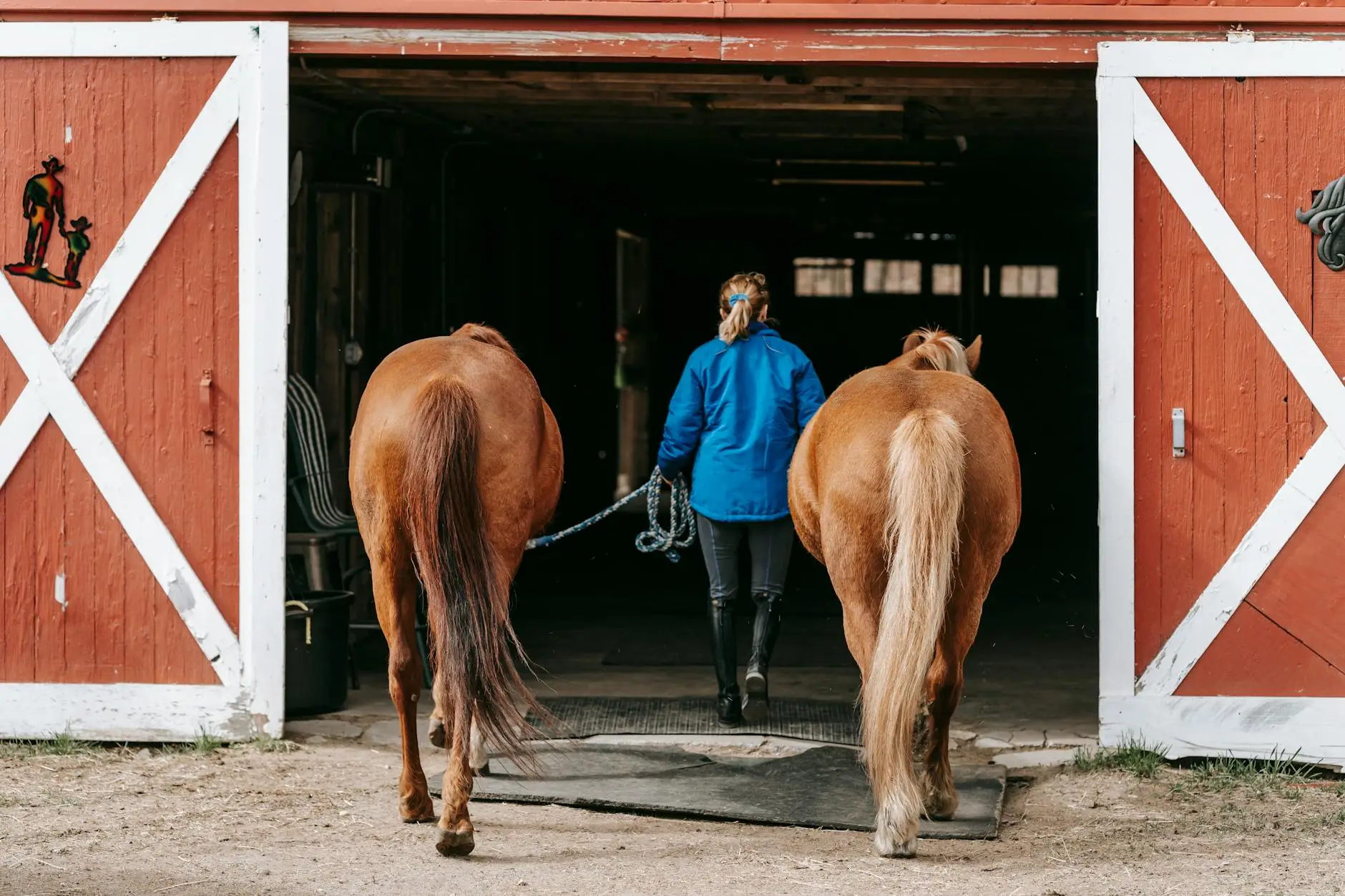
Photo by Barbara Olsen on Pexels.com
Don’t worry – we’re not going to tell you how to train mustangs in your business, we’re going to advise you on how to run the business itself. Why? There are many amazing and wonderful mustang trainers out there, who lack critical business skills that would allow them to grow and maintain their business long-term.
There is a difference between training mustangs and running a mustang training program. The first is a skill. The second is a business with a 1) structure, 2) curriculum, and 3) a client experience that produces consistent outcomes regardless of which horse walks in the gate.
If you have been training mustangs for a few years and want to move from taking horses one at a time on an ad-hoc basis to offering something more formalized, here is a guide on how to think about building that out.
Define what your program actually produces
The most important question to answer before you formalize anything is: what does a horse look like when it completes your program?
Not in vague terms. Specifically. A horse that completes your gentling program can be haltered, leads on a loose rope, picks up all four feet, loads into a trailer, and accepts touch over its entire body without consistent flight response. That is a defined outcome. It is something you can communicate to a client, measure your progress against, and guarantee within a realistic timeframe.
Trainers who struggle to articulate this clearly usually do not have a program yet. They have a philosophy and a set of instincts. Both of those things are valuable, but they are not a program until they are organized into a repeatable structure. Clients will appreciate you being able to give them a realistic expectation that will be achieved at the end of the program they’re paying for. It also provides a good benchmark for a horse that may not be meeting requirements – and may need additional support (possible reasons may be an injury, illness, training technique and so forth).
Structure your curriculum by phase
Most effective mustang training programs organize into three to four phases with clear criteria for moving between them.
A basic structure might look like: a foundation phase covering approach and retreat, first touch, and basic haltering; a handling phase covering leading, all four feet, basic grooming, and trailer loading; a desensitization phase covering equipment, environmental exposure, and vet and farrier preparation; and an integration phase covering whatever comes next based on the client’s goals for the horse.
Each phase has entry criteria and exit criteria. The horse moves to the next phase when it meets the criteria.
Communication with clients
The single biggest source of friction in a training relationship is mismatched expectations. The client thought the horse would be riding-ready in ninety days. You knew from day one that this particular horse was going to need six months.
The fix is communication that starts before the horse arrives and continues throughout the program. A written program overview that explains the phase structure, typical timelines, and what factors influence progress. Regular updates, weekly or bi-weekly, with specifics about where the horse is and what you are working on. Photos and short videos are worth more than paragraphs of text.
Clients who feel informed stay in the program. Clients who feel like they are guessing tend to pull their horse too early.
Flipping this around – it also helps you as a professional to determine who you want as a client. Difficult clients end up costing you money, time, and your sanity.
Scaling without losing quality
Taking on more horses than you can give proper attention to is the fastest way to damage a mustang training program’s reputation. Wild horses in the early stages of gentling require daily attention and consistency. Four horses done well is a better business than eight horses done poorly.
When you are ready to grow, bringing on an apprentice or assistant trainer is usually the right move before adding capacity. Someone who has trained under you and understands your approach can maintain consistency with the horses you do not have time to work directly, which is what clients are actually paying for.
Useful tools (free and/or low cost):
You can find a list of free and/or low-cost tools and more-in depth resources on our page for Trainers/Professionals.

Author: The Mustang Hub
The